
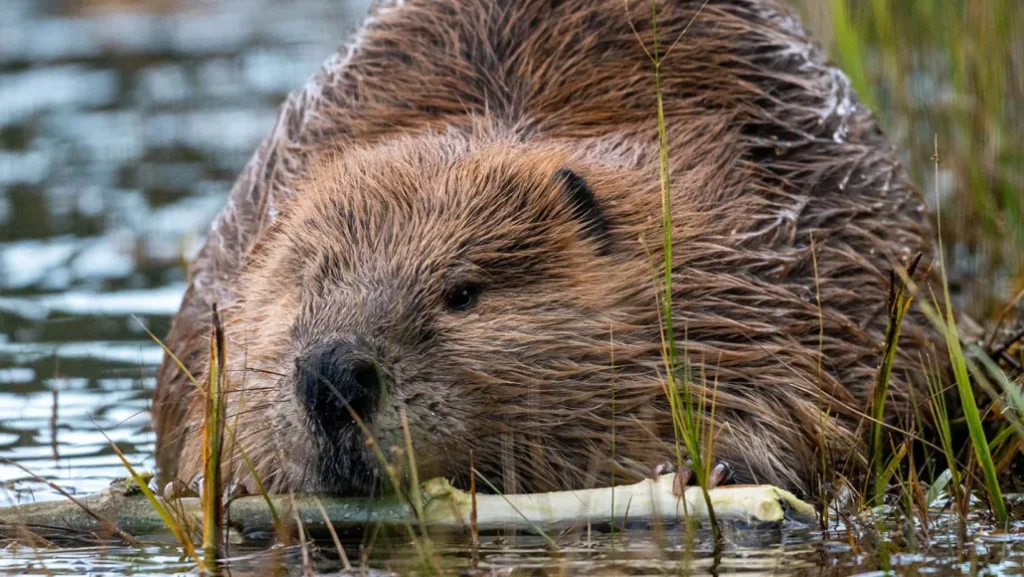
Inspiration from nature’s engineers is helping rescue imperiled waterways
One warm morning in the summer of 2025, the Beaver Brigade marched into Bernheim Forest. This woodland spans more than 16,000 acres (6,475 hectares) in north-central Kentucky. Every other month, volunteer brigade members hike in to make it more beaver-friendly.
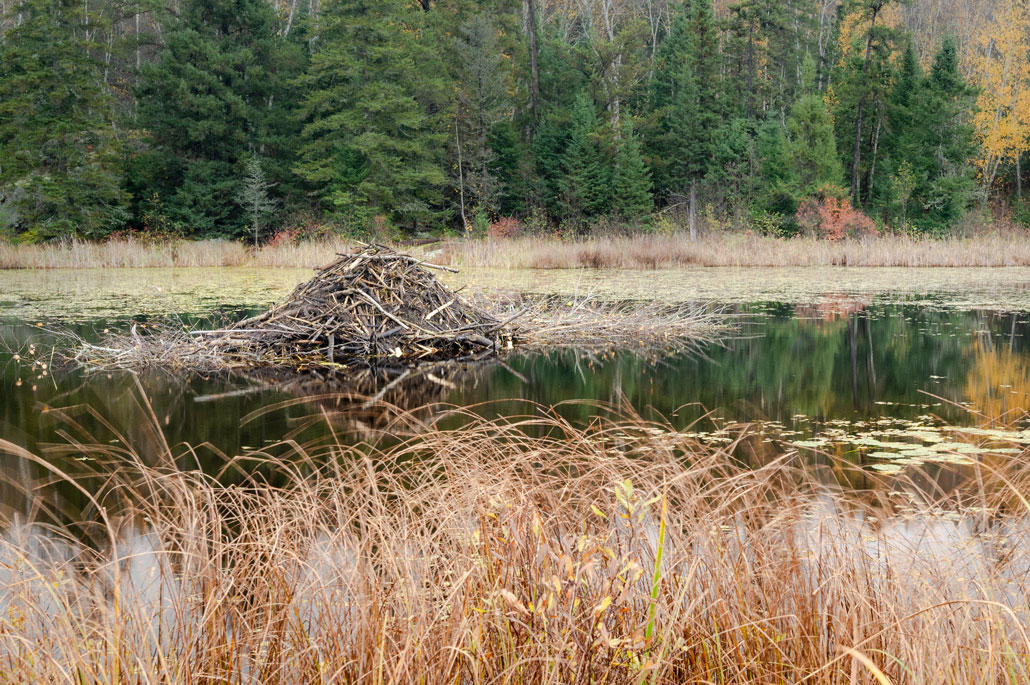
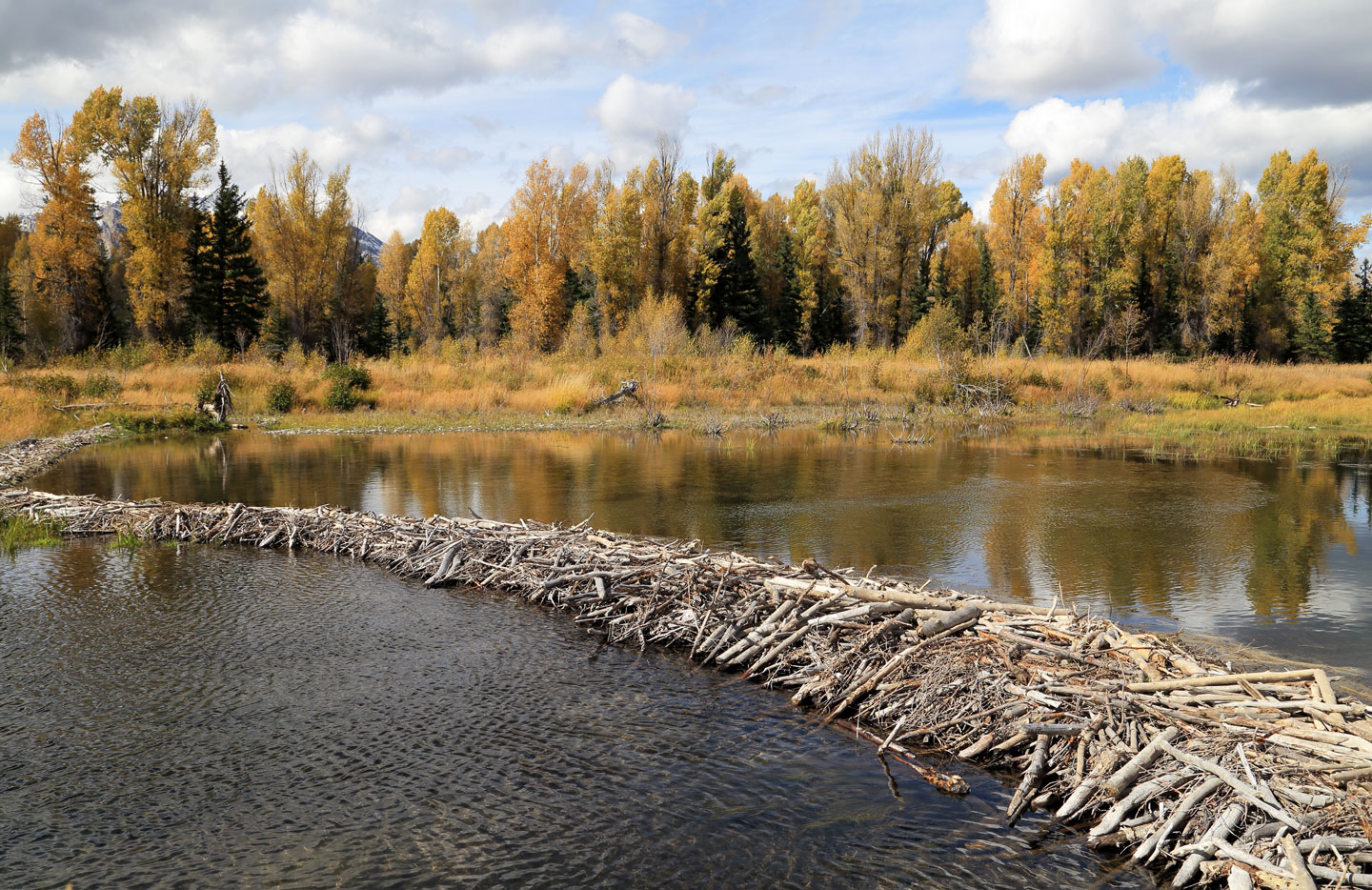
Beavers are nature’s engineers, notes Evan Patrick. A brigade member, he helps manage the forest. Beavers build dams across streams to create small, protected ponds. The large rodents also build their homes, called lodges, in those ponds. Beaver dams and their ponds shape how water moves through a landscape. They also help keep streams healthy.
The Beaver Brigade wants to help these animals out.
Sometimes they count beavers to see how many are around. Sometimes they plant shrubs or trees the critters eat or use as building materials. Sometimes they scout for new dams or signs of new lodges.
That morning, though, they went into the forest to imitate the beaver’s most famous skill: dam-building. After arriving at a stream’s muddy banks, they pounded thick, upright wooden posts in a line across the waterway. The bottom of the poles reached deep into sediment on the stream’s floor. Then they wove willows and grasses between the posts.
This contraption of posts and willows is called a beaver-dam analog, or BDA. It took about a day to make and might hold up for years. The goal, says Patrick, is to start a new dam that beavers will finish.
Scientists Say: Ecosystem
Over the past five years, he has led the construction of more than a dozen BDAs in Bernheim. Sometimes they replace a dam wiped out by a strong current or storm. Other times, these fences through streams might encourage new beavers to move into the neighborhood. For instance, the brigade wants to draw beavers to a part of the forest far from roads and an arboretum (a section dedicated to protecting trees).
If successful, a BDA’s effects can extend well beyond the beavers. Studies of BDAs around the world have found a wealth of benefits from these low-tech, low-cost structures. Vegetation flourishes beside dammed streams. BDAs also may improve stream habitat and even water quality.
By taking cues from beavers, researchers have been learning new ways to restore damaged river ecosystems.
Lessons from wild engineers
Centuries ago, hundreds of millions of beavers inhabited North America’s waterways. But starting in the early 1600s, people wanted to make clothes and hats from soft fur. Beaver pelts became became the heart of this fur trade, especially among the growing numbers of European settlers.
By 1900, the number of beavers in North America had fallen to 100,000, according to the U.S. Fish and Wildlife Service.
With fewer beavers, many watery landscapes began shrinking — and then vanishing. Instead of streams spreading out, they now carved narrow channels through the land. People began planting crops and building houses in the wide, flat areas left behind.
Then, around two decades ago, scientists began to rethink what a natural, healthy river should look like.
Before European settlers began setting up mills, ecologists found, American rivers had meandered. They spread out. They were messy, muddy things. This river rethinking led scientists to look again at the animals living in these waters, notes fish biologist Michael Pollock. They included beavers.
Now, he and other scientists recognize how beaver dams improve the health of streams and the animals along these waterways.