
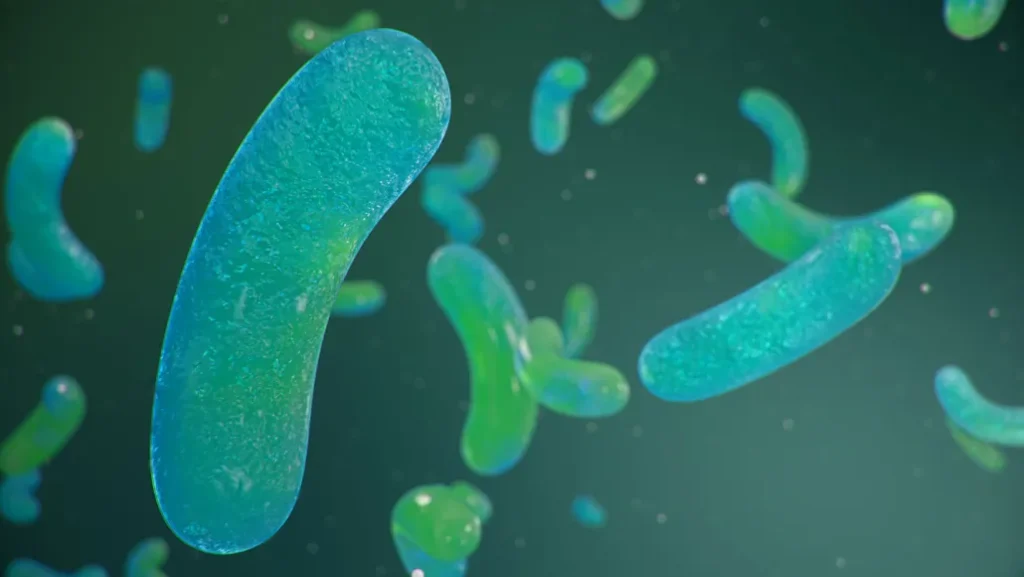
Scientists are making headway in learning about our great-grand-germ
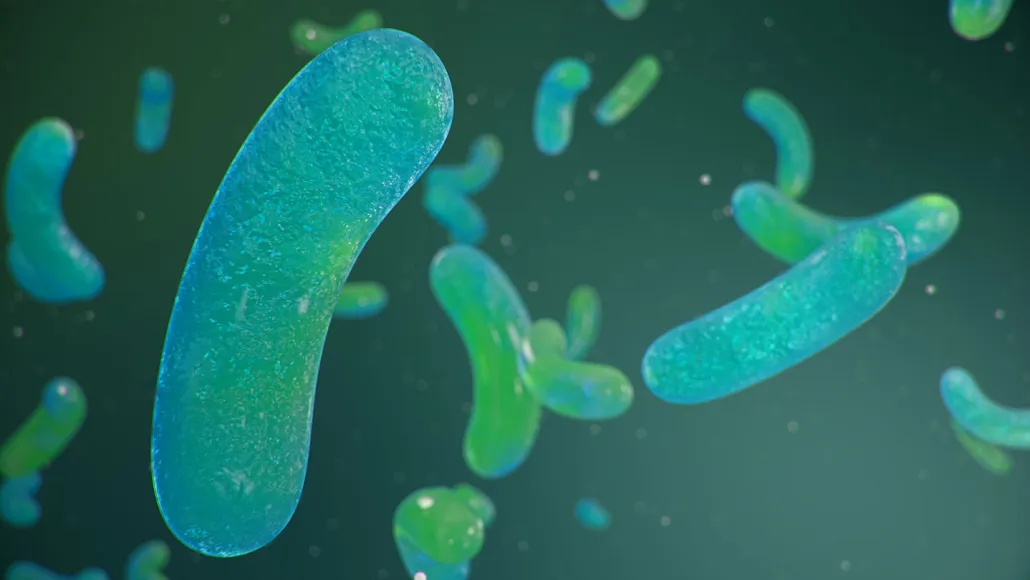
Grandma, is that you? Scientists who have tried to understand early life on Earth say LUCA, the last universal common ancestor, may have been a rod-shaped organism like this one.
Usis/iStock/Getty Images Plus
Scientists want to identify your earliest ancestor. And to do that, they have to look back in time. Way, way back.
Let’s climb up your family tree. The first people we’ll meet are your parents, then your grandparents and their parents. Keep climbing and we’ll meet more parents of parents, and parents of parents of parents.
Eventually we’ll zip through hundreds of thousands of years and ancestors. This tour will cross continents and oceans. Modern humans first walked the planet more than 300,000 years ago, so you have a lot of family to get through.
Scientists Say: Evolution
If we keep going back — say 6 million to 8 million years — we’ll find the first upright-walking creature that’s not only your ancestor, but also the ancestor of other primates living today, such as monkeys, chimps and lemurs. So if you want to plan a family reunion, you’ll need to invite not only every person alive, but also every primate you can track down. (That will be a lot of invitations!)
Further up the family tree, about 180 million years back, you’ll find a creature that probably looked like a mouse. It’s the ancestor of you and every other mammal, from whales to marmots. Ascend that family tree a little higher, and you’ll find a common ancestor to every animal. (You won’t recognize it, though. It won’t look remotely like anyone you know.)
And we’re still not done.
Eventually, if we travel back billions of years, we’ll reach LUCA. It’s just one cell, probably shaped like a rod. Scientists suspect it once lived near a hydrothermal vent at the bottom of an ocean. Every family tree, for any organism, leads to LUCA.
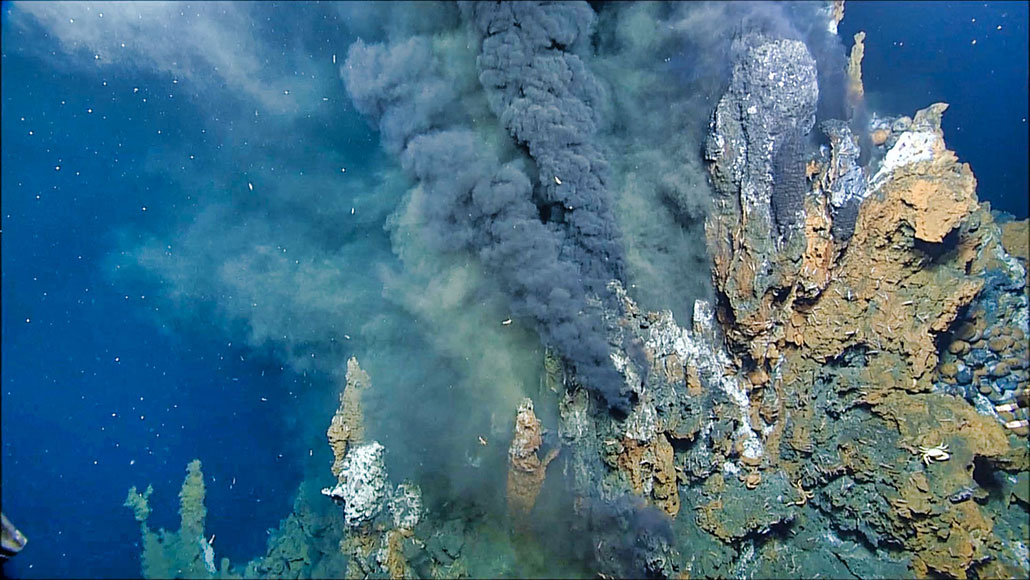
LUCA stands for last universal common ancestor. It wasn’t the first thing that lived on Earth. But LUCA is special, because every living thing on the planet today is related to it through evolution. From people and mushrooms to bacteria and trees — we are all descendants of that one lowly cell.
LUCA’s first offspring were also organisms made of single cells. Some would become the ancestors of bacteria. Others would become archaea, another type of single-celled microbe. Still others, much later, would form clumps, leading to multicellular beings.
Explainer: Cells and their parts
Scientists study LUCA for many reasons. Knowing how life evolved on our world might help them recognize early signs of life on other planets. Or “it may help us prepare for understanding how life may change in the future,” says Edmund Moody. He’s an evolutionary biologist at the University of Barcelona in Spain.
Perhaps the biggest reason scientists want to understand LUCA is to see how evolution unfolds. That’s why Tom Williams studies our great-great-grand germs. A biologist at the University of Bath in England, he recently led a project that described LUCA more precisely than ever before. In 2024, Williams, Moody and others reported when they think LUCA lived, how it ate — even what its insides looked like.
“If you want to understand the early evolution of life, then you’re talking about events that happened to microbes,” says Williams. “I think that is quite important.”