
Recent Work

Trash Copy 1 1024x680

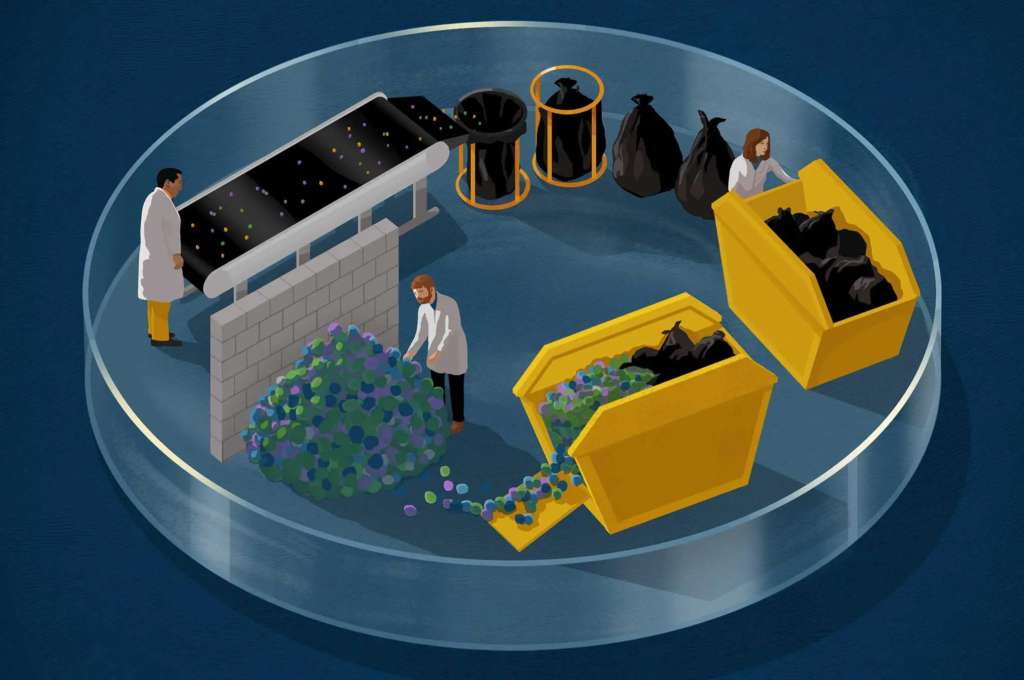
Research Has a “Trash Island.” Some Are Trying to Clean it Up.

Bad science can do lasting damage. A study falsely connecting COVID-19 to 5G wireless technology, for instance, was quickly retracted for its sloppy methods and unearned conclusions, though not before causing a wave of conspiracy theories. This past March, a controversial 2017 study suggesting sepsis could be treated with vitamin C—a sign of hope in the battle

Research Has a “Trash Island.” Some Are Trying to Clean it Up. Read More »

Cipher

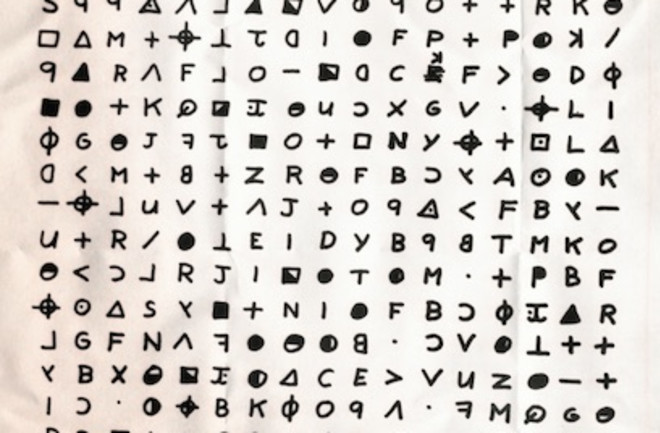
How Mathematicians Cracked the Zodiac Killer’s Cipher

In the late 1960s, a serial killer self-identifying as “the Zodiac” killed at least five people in Northern California and claimed to have murdered more. In November 1969, the Zodiac Killer sent a card to the San Francisco Chronicle containing a 340-character secret message that for more than 50 years went unsolved by detectives, cryptography experts, amateur

How Mathematicians Cracked the Zodiac Killer’s Cipher Read More »

Bactderia 1024x577

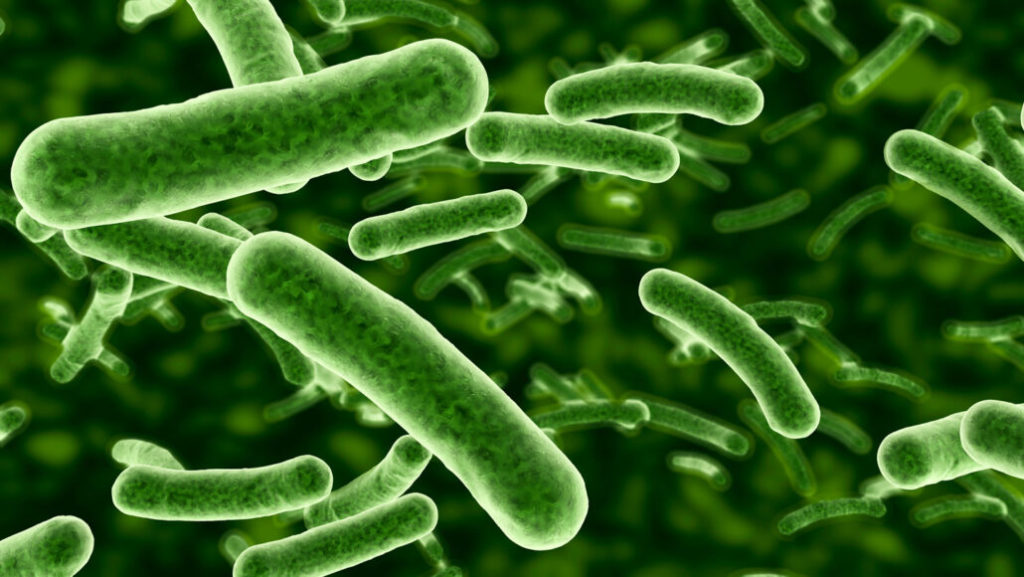
Genes point to how some bacteria can gobble up electricity

Bacteria can have superpowers. Some flourish in almost any environment. Others can transform toxic materials into harmless sludge. A bacterium called Shewanella oneidensis can do both. But this microbe also has a much rarer superpower: It absorbs and produces electricity. In fact, new research suggests, these bacteria may be able to use energy collected from wind or

Genes point to how some bacteria can gobble up electricity Read More »

Ammonia

Green ammonia could produce climate-friendly ways to store energy and fertilize farms

Curbing climate change goes hand-in-hand with decarbonizing energy production. But how can communities continue to meet the global demand for electricity without releasing more CO2? A cadre of chemists says one solution may be hiding in an unlikely source: ammonia—the pungent, clear, nitrogen-rich gas, or liquid, that’s most often used as an agricultural fertilizer. Most

Green ammonia could produce climate-friendly ways to store energy and fertilize farms Read More »

Conductor

Astronomer-turned-filmmaker strives to ignite an interest in space

For scientists at NASA’s Jet Propulsion Laboratory in Pasadena, CA, the night of January 3, 2004 entailed six minutes of nerve-wracking terror. Around 8:30 PM Pacific Time, the Spirit rover began its plunge to the Martian surface, as an audience of engineers and others—temporarily unable to receive any communication from the craft—waited anxiously to get

Astronomer-turned-filmmaker strives to ignite an interest in space Read More »