
Recent Work

11 Follow Heart COVER 1500 1024x683

Follow the Heart

Oncologists and researchers increasingly focus on how to predict, treat and monitor for cardiovascular problems that develop before and after treatment. PETER WOLF FIRST NOTICED an unusual sound in his chest in the spring of 2018. When he inhaled, especially after he exercised, he heard a distinct “gurgling”—like air pushing through fluids. It wasn’t painful, but […]
Follow the Heart Read More »

Wig 1024x576

Avi Wigderson, Complexity Theory Pioneer, Wins Turing Award

The prolific researcher found deep connections between randomness and computation and spent a career influencing cryptographers, complexity researchers and more. For more than 40 years, Avi Wigderson has studied problems. But as a computational complexity theorist, he doesn’t necessarily care about the answers to these problems. He often just wants to know if they’re solvable

Avi Wigderson, Complexity Theory Pioneer, Wins Turing Award Read More »

Mirage 1024x576

How Quickly Do Large Language Models Learn Unexpected Skills?

A new study suggests that so-called emergent abilities actually develop gradually and predictably, depending on how you measure them. Two years ago, in a project called the Beyond the Imitation Game benchmark(opens a new tab), or BIG-bench, 450 researchers compiled a list of 204 tasks designed to test the capabilities of large language models, which power

How Quickly Do Large Language Models Learn Unexpected Skills? Read More »

CAncerImage 1024x683

Immunotherapy: When is sooner better than later?

JUST AFTER LABOR DAY in 2019, Sascha Roth, who was 38 years old, was diagnosed with stage III rectal cancer. Roth co-owns and operates Urban Country Designs, a furniture and interior design company in Bethesda, Maryland. After noticing some rectal bleeding, she had a sigmoidoscopy, and a growth in her rectum was removed. When her gastroenterologist

Immunotherapy: When is sooner better than later? Read More »

Plants

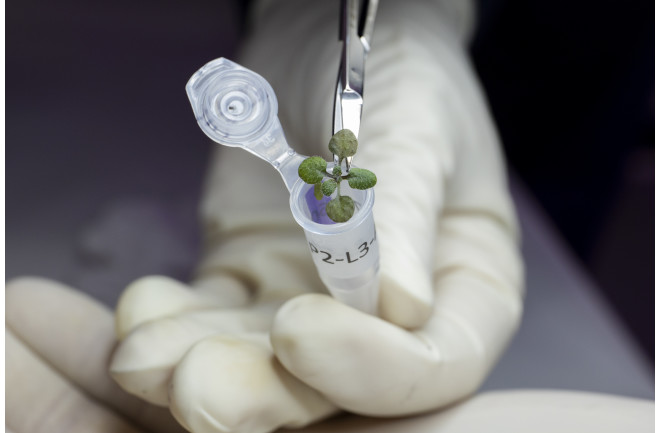
Scientists Grow First Plants in Lunar Soil

Last May, scientists reported that they’d successfully grown plants in moon soil for the first time. At the University of Florida’s Space Plants Lab in Gainesville, a dozen Arabidopsis thaliana plants germinated and grew, each in a few teaspoons of lunar regolith — the dusty material that covers much of the moon. “The first surprise was that

Scientists Grow First Plants in Lunar Soil Read More »

NETWORK 1024x571

Game theory approach describes how social networks produce “six degrees of separation”

“Six degrees of separation” refers to a long-held notion about social networks—namely, that any two people in a social network are connected to each other, through friends of friends, by a maximum of five individuals. But there’s more to this notion than folk wisdom: Researchers have found, repeatedly (for example, via studies of Twitter), that the maximum

Game theory approach describes how social networks produce “six degrees of separation” Read More »

1440 Space Junk Cleanup Feat 1027x580 1024x578

Space trash could kill satellites, space stations — and astronauts

Seven astronauts aboard the International Space Station woke to unwelcome news on the morning of November 15, 2021. NASA, the U.S. space agency, was worried. The station was zooming directly into a suddenly dangerous area littered with trash. A collision could damage the spacecraft. And that could threaten the safety of everyone inside. NASA warned

Space trash could kill satellites, space stations — and astronauts Read More »

Pnas.2210323119fig02 1024x915

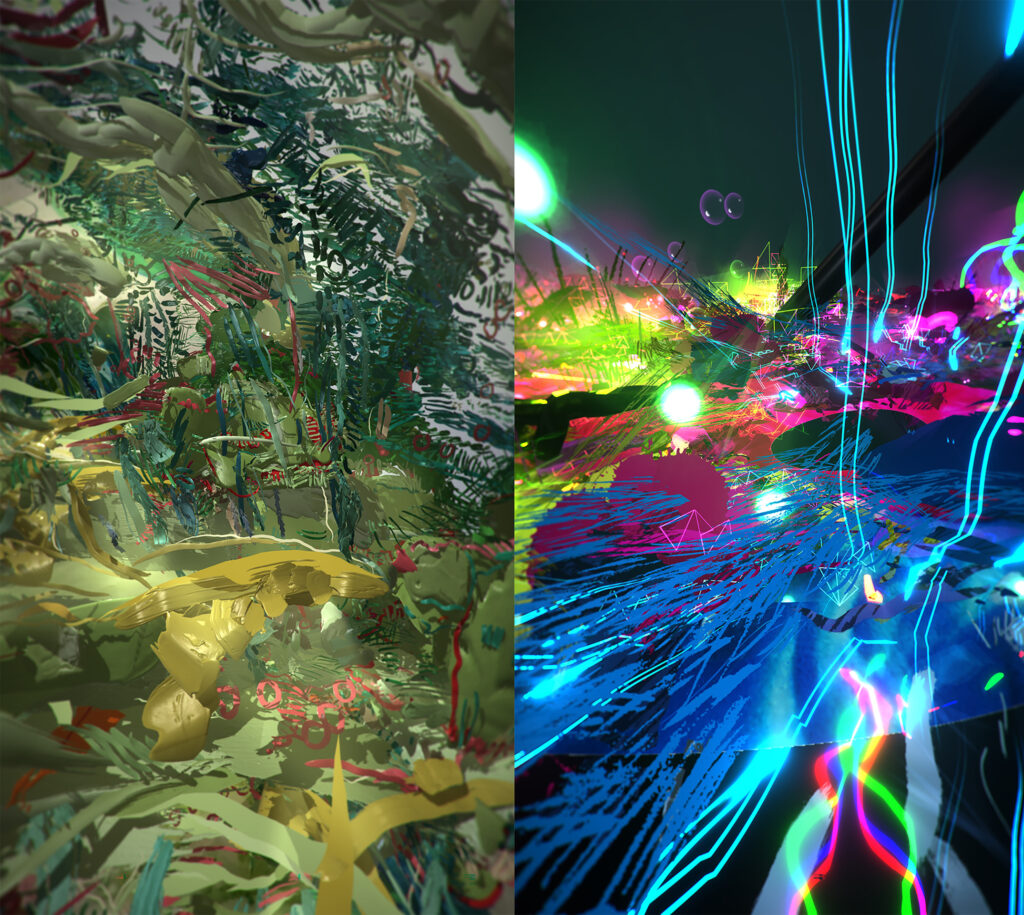
Virtual reality helps shape and respond to artistic impulses

In February 2020, weeks before the pandemic made such a thing nearly impossible, the MK Gallery in Milton Keynes, UK, hosted an exhibit called Paint Park that featured works by Alison Goodyear. A visual artist from nearby Bedfordshire, Goodyear works in what she calls “the expanded field of painting.” That means she examines the conventional tools of

Virtual reality helps shape and respond to artistic impulses Read More »

VACCINE 1024x680

The 100-Day Vaccine

The first vaccine for COVID-19 broke records: Only 342 days passed between the virus being sequenced and an FDA-authorized vaccine. Looking back, researchers now wonder whether it could be done even more quickly. Speedier vaccine development for COVID would have saved many lives. At 100 days, in April 2020, about 2.3 million people had been

The 100-Day Vaccine Read More »