biology

1440 LUCA Bacteria Feat 1024x577

Looking for LUCA, everyone’s shared ancestor

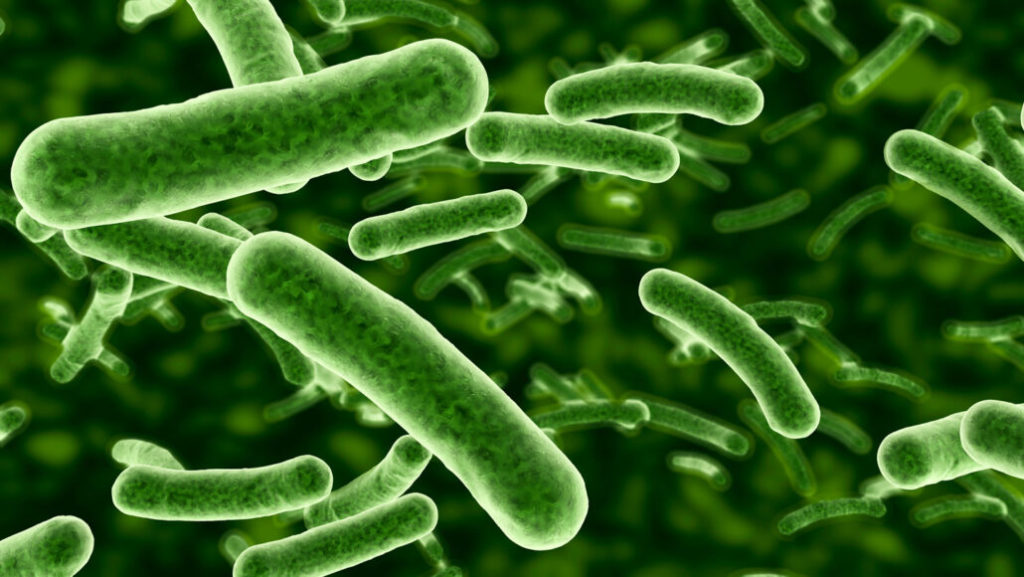
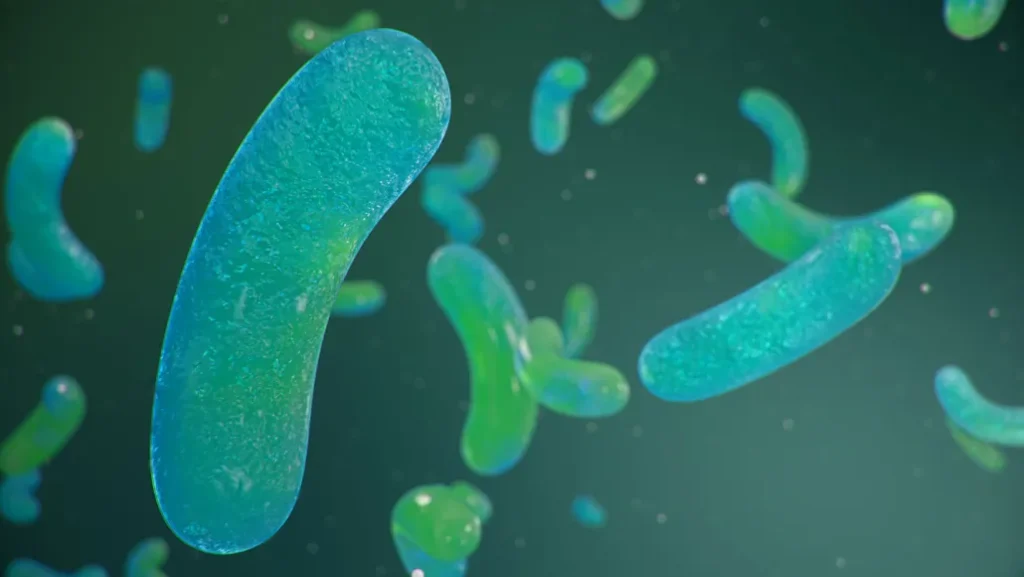
Scientists are making headway in learning about our great-grand-germ Grandma, is that you? Scientists who have tried to understand early life on Earth say LUCA, the last universal common ancestor, may have been a rod-shaped organism like this one. Usis/iStock/Getty Images Plus Scientists want to identify your earliest ancestor. And to do that, they have […]

Looking for LUCA, everyone’s shared ancestor Read More »
Mirror 1024x576

No one’s sure if synthetic mirror life will kill us all

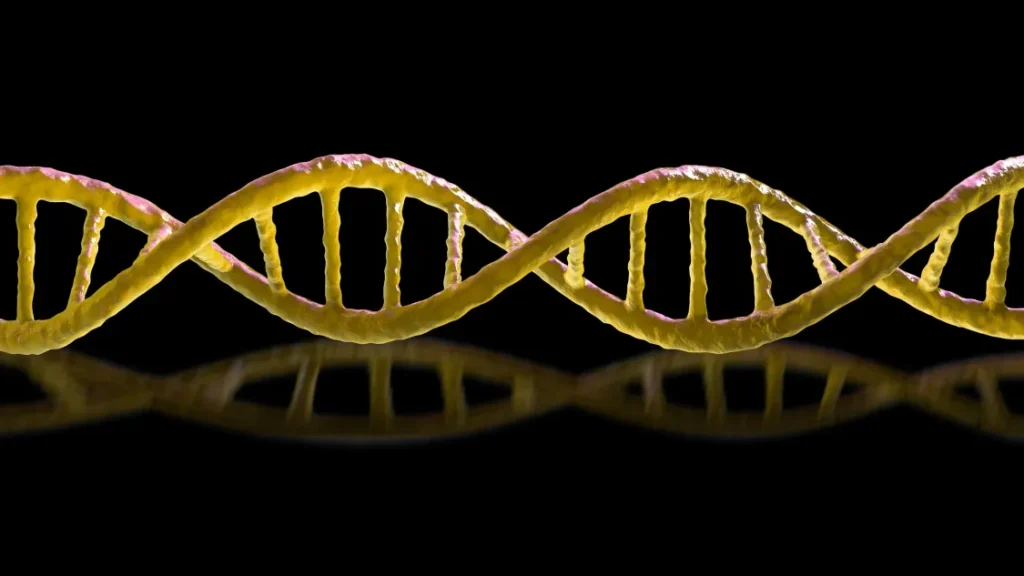
For four days in February 2019, some 30 synthetic biologists and ethicists hunkered down at a conference center in Northern Virginia to brainstorm high-risk, cutting-­edge, irresistibly exciting ideas that the National Science Foundation should fund. By the end of the meeting, they’d landed on a compelling contender: making “mirror” bacteria. Should they come to be,

No one’s sure if synthetic mirror life will kill us all Read More »

Plants

Scientists Grow First Plants in Lunar Soil

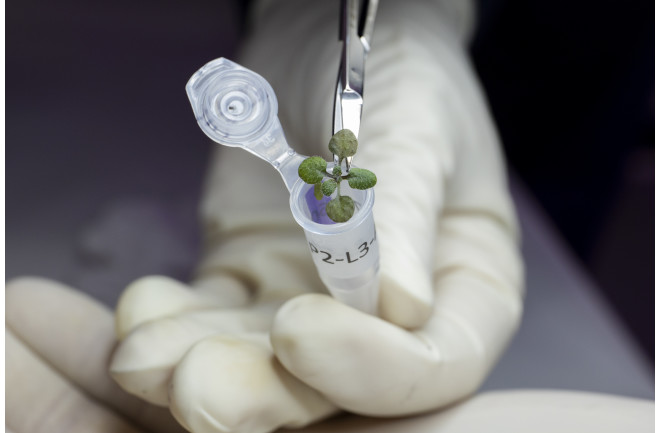
Last May, scientists reported that they’d successfully grown plants in moon soil for the first time. At the University of Florida’s Space Plants Lab in Gainesville, a dozen Arabidopsis thaliana plants germinated and grew, each in a few teaspoons of lunar regolith — the dusty material that covers much of the moon. “The first surprise was that

Scientists Grow First Plants in Lunar Soil Read More »

1440 Parasite Conservation Feat 1440x700 1024x498

Some ecologists value parasites — and now want a plan to save them

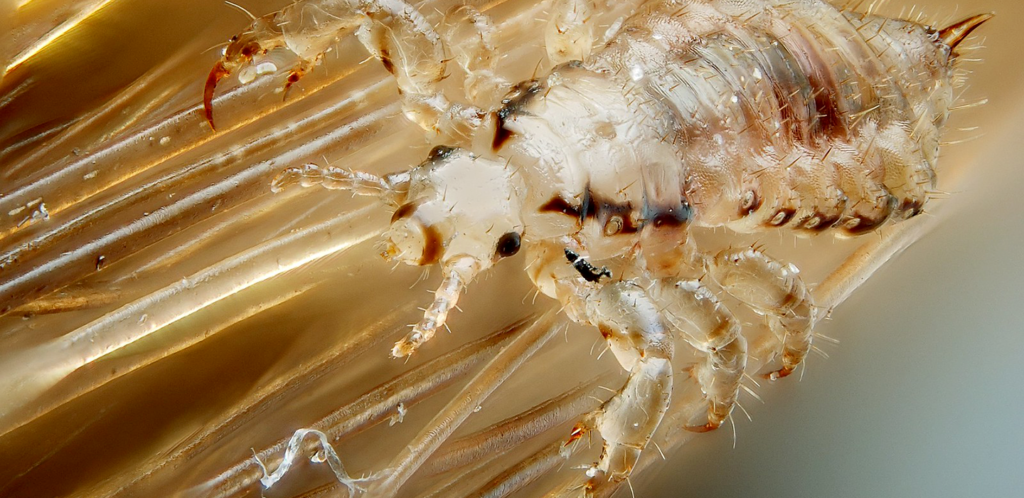
Chelsea Wood always wanted to be a marine biologist. As a child growing up on New York’s Long Island, she envisioned traveling the world, studying big animals that live in the ocean. “There was just never any question in my mind,” she says. Then, during college, she worked in a lab that focused on parasitic

Some ecologists value parasites — and now want a plan to save them Read More »

Pnas.2202107119fig01 1024x974

Researchers turn to deep learning to decode protein structures

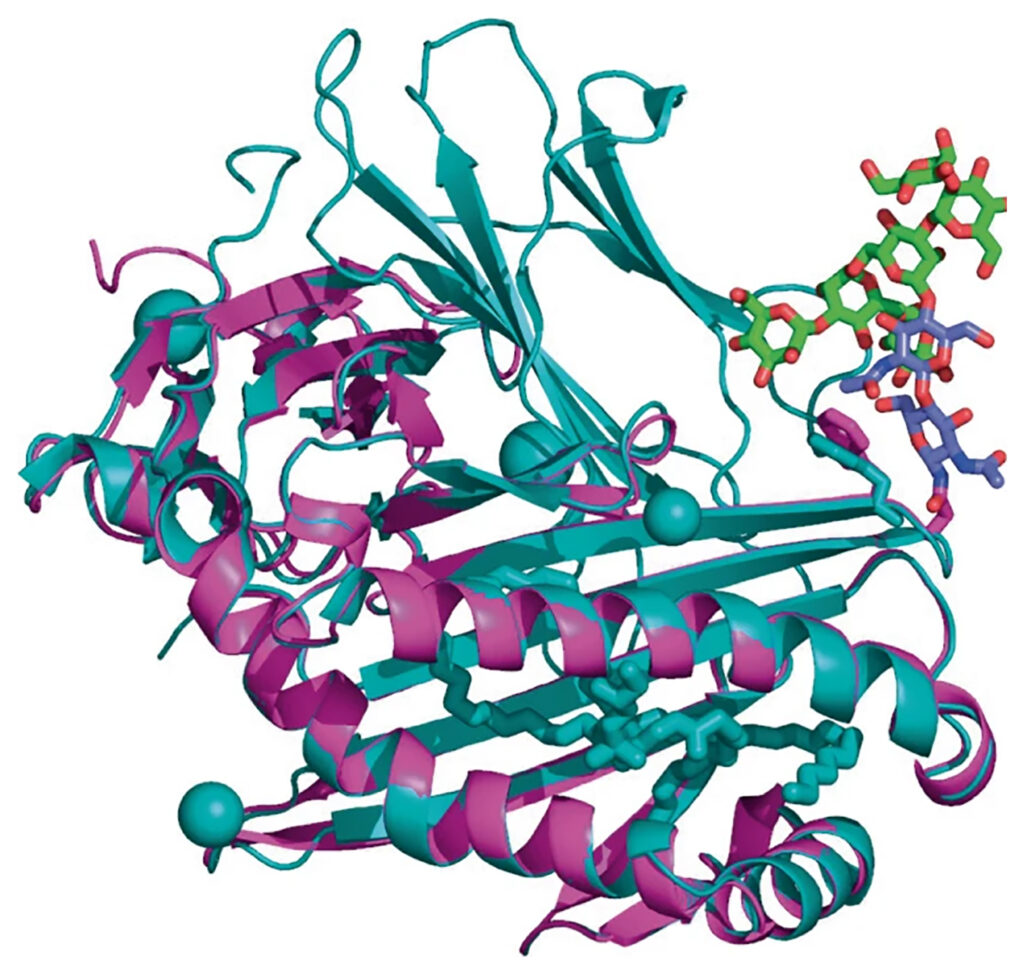
Twenty-eight years ago, computational biologists led by John Moult then at the University of Maryland, Baltimore, launched an ambitious, large-scale experiment designed to answer one of the most challenging open questions in biology: How can researchers determine the structure of any protein? Structure is key to understanding biological function because a the shape of a

Researchers turn to deep learning to decode protein structures Read More »

Bactderia 1024x577

Genes point to how some bacteria can gobble up electricity

Bacteria can have superpowers. Some flourish in almost any environment. Others can transform toxic materials into harmless sludge. A bacterium called Shewanella oneidensis can do both. But this microbe also has a much rarer superpower: It absorbs and produces electricity. In fact, new research suggests, these bacteria may be able to use energy collected from wind or

Genes point to how some bacteria can gobble up electricity Read More »

F1.large E1540948111533 1024x512

What’s the best way to build a molecular machine?

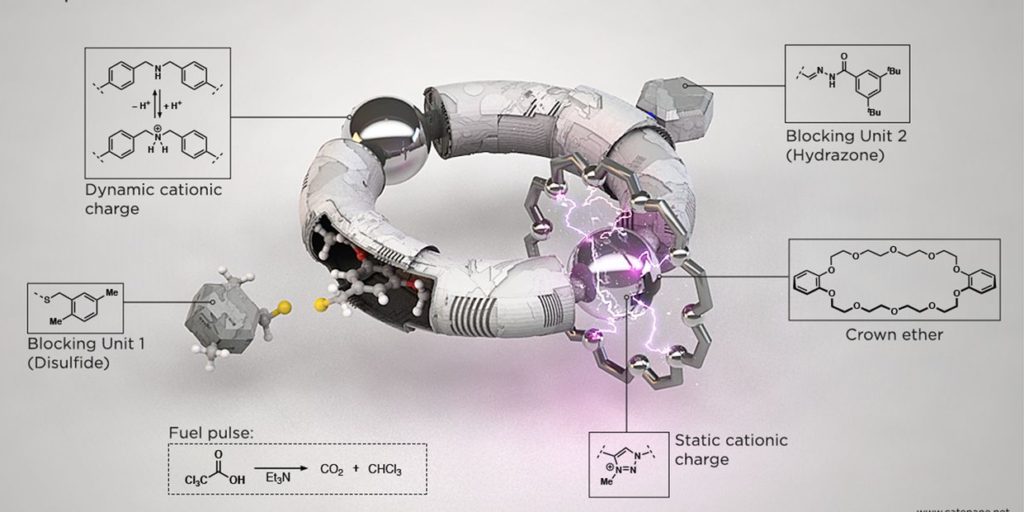
Some of the smallest, most useful machines known to science are the biological molecules that keep living things living. The protein myosin drives the contraction and relaxation of muscle. Kinesin drags cellular cargo around the cell. Motor enzymes unwind, rewind, and maintain DNA, and bacteria use a molecular motor to rotate their whip-like flagella up

What’s the best way to build a molecular machine? Read More »