Tech

Mirror 1024x576

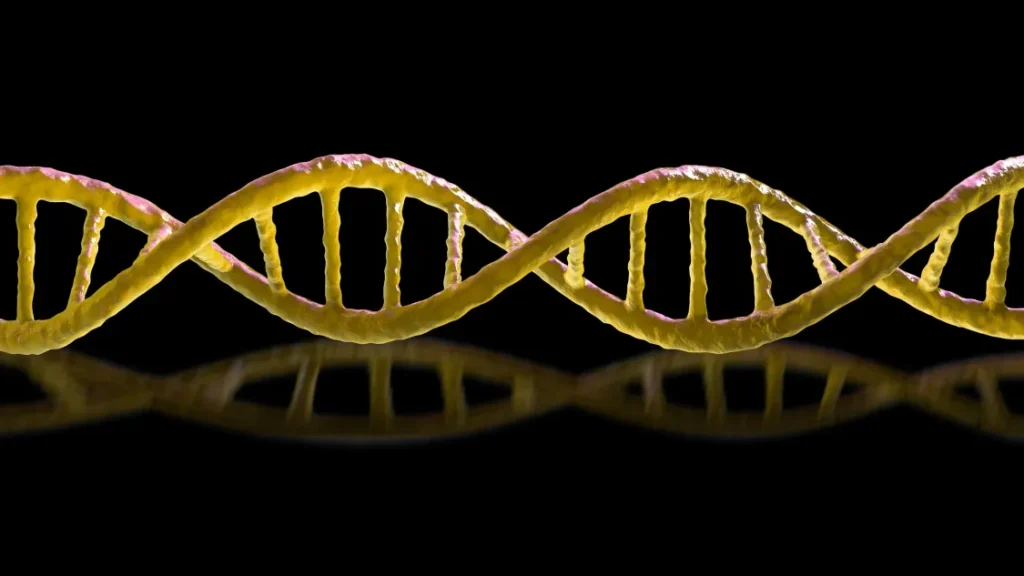
No one’s sure if synthetic mirror life will kill us all

For four days in February 2019, some 30 synthetic biologists and ethicists hunkered down at a conference center in Northern Virginia to brainstorm high-risk, cutting-­edge, irresistibly exciting ideas that the National Science Foundation should fund. By the end of the meeting, they’d landed on a compelling contender: making “mirror” bacteria. Should they come to be, […]

No one’s sure if synthetic mirror life will kill us all Read More »
1440 New Haptic Tech Feat 1024x577

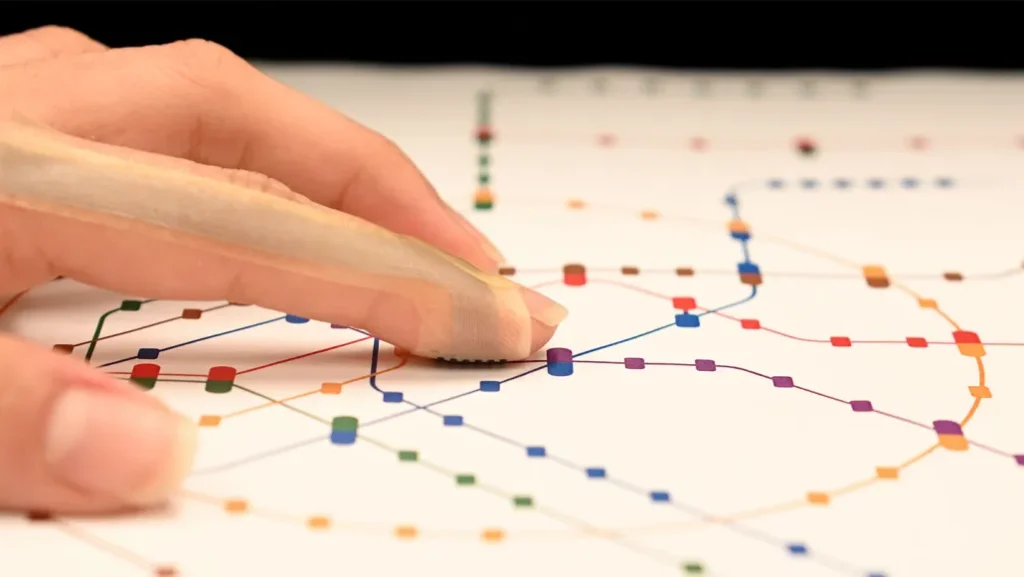
This Band Aid-like device could let you ‘feel’ the virtual world

It’s studded with tiny dots that vibrate to mimic the feel of real-world textures Worn on a fingertip, the new device uses a grid of tiny nodes to simulate textures, such as the feel of fabrics. Northwestern University Phones, tablets and other electronic gadgets display lifelike images and play realistic sounds. What’s next? Maybe, making

This Band Aid-like device could let you ‘feel’ the virtual world Read More »

SC 1024x576

This artist collaborates with AI and robots

For artist Sougwen Chung, AI is an opportunity to embrace uncertainty. Many artists worry about the encroachment of artificial intelligence on artistic creation. But Sougwen Chung, a nonbinary Canadian-Chinese artist, instead sees AI as an opportunity for artists to embrace uncertainty and challenge people to think about technology and creativity in unexpected ways. Chung’s exhibitions

This artist collaborates with AI and robots Read More »

Legos 1024x576

Lego bricks inspired a new way to shape devices for studying liquids

The design could lead to adaptable tools to study how fluids move When building devices, engineers mostly use solids, such as metal or plastic. But not a team in China. Their building blocks are drops of water. With those drops, they’ve created a system to study and manage tiny flows of liquids. Best of all,

Lego bricks inspired a new way to shape devices for studying liquids Read More »

Bonsai 1024x576

Why Do Researchers Care About Small Language Models?

Large language models work well because they’re so large. The latest models from OpenAI, Meta and DeepSeek use hundreds of billions of “parameters” — the adjustable knobs that determine connections among data and get tweaked during the training process. With more parameters, the models are better able to identify patterns and connections, which in turn

Why Do Researchers Care About Small Language Models? Read More »

Wig 1024x576

Avi Wigderson, Complexity Theory Pioneer, Wins Turing Award

The prolific researcher found deep connections between randomness and computation and spent a career influencing cryptographers, complexity researchers and more. For more than 40 years, Avi Wigderson has studied problems. But as a computational complexity theorist, he doesn’t necessarily care about the answers to these problems. He often just wants to know if they’re solvable

Avi Wigderson, Complexity Theory Pioneer, Wins Turing Award Read More »

Bactderia 1024x577

Genes point to how some bacteria can gobble up electricity

Bacteria can have superpowers. Some flourish in almost any environment. Others can transform toxic materials into harmless sludge. A bacterium called Shewanella oneidensis can do both. But this microbe also has a much rarer superpower: It absorbs and produces electricity. In fact, new research suggests, these bacteria may be able to use energy collected from wind or

Genes point to how some bacteria can gobble up electricity Read More »