biology

Mirror 1024x576

No one’s sure if synthetic mirror life will kill us all

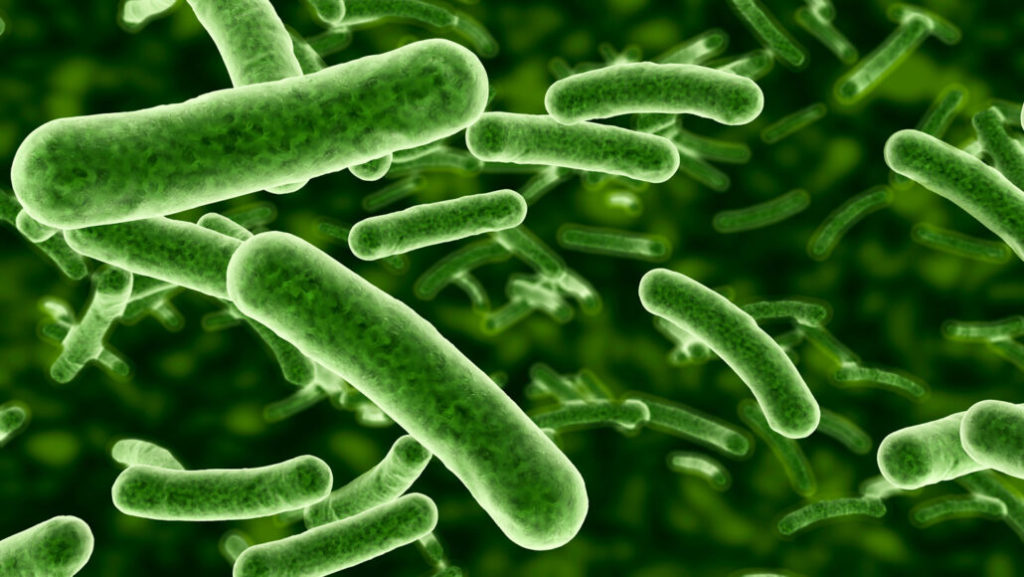
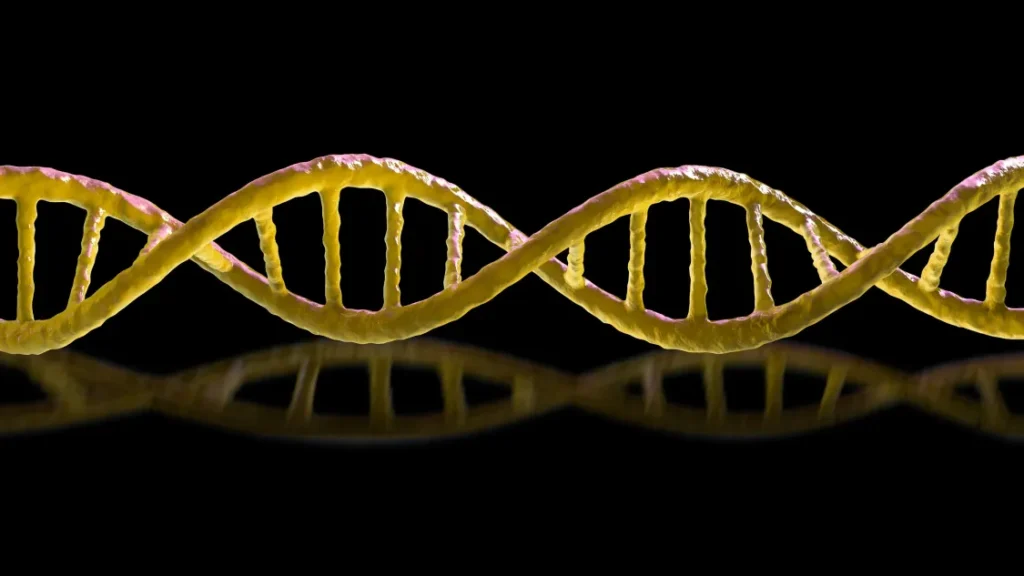
For four days in February 2019, some 30 synthetic biologists and ethicists hunkered down at a conference center in Northern Virginia to brainstorm high-risk, cutting-­edge, irresistibly exciting ideas that the National Science Foundation should fund. By the end of the meeting, they’d landed on a compelling contender: making “mirror” bacteria. Should they come to be,

No one’s sure if synthetic mirror life will kill us all Read More »
Bactderia 1024x577

Genes point to how some bacteria can gobble up electricity

Bacteria can have superpowers. Some flourish in almost any environment. Others can transform toxic materials into harmless sludge. A bacterium called Shewanella oneidensis can do both. But this microbe also has a much rarer superpower: It absorbs and produces electricity. In fact, new research suggests, these bacteria may be able to use energy collected from wind or

Genes point to how some bacteria can gobble up electricity Read More »

Whalefall

Whales get a second life as deep-sea buffets

Last October, a team of marine explorers sent Hercules — a remote-controlled vehicle — to the bottom of the ocean. Its mission: to visit an octopus neighborhood. It was off the coast of central California, near an undersea volcano. Late one night, after scanning a long stretch of empty seafloor, Hercules’ spotlight and camera revealed a parade of

Whales get a second life as deep-sea buffets Read More »