space

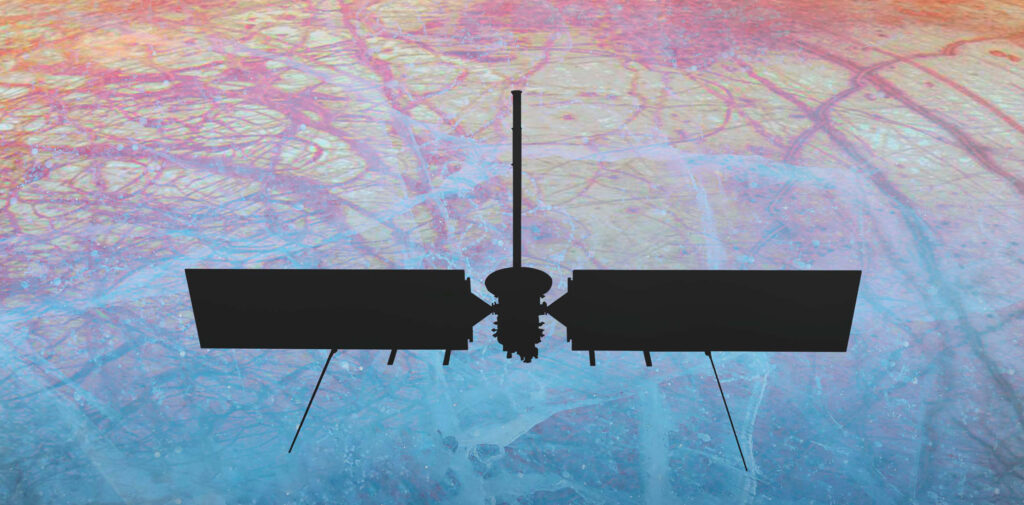
Europa Clipper Journey To An Ocean World Poster 1024x505

Europa Ho!

The search for extraterrestrial life is targeting Jupiter’s icy moon Europa NASA’s Europa Clipper mission will travel to one of Jupiter’s largest moons to look for evidence of conditions that could support life. by  Stephen Ornesarchive page February 19, 2024 We’ve known of Europa’s existence for more than four centuries, but for most of that

Europa Ho! Read More »

Plants

Scientists Grow First Plants in Lunar Soil

Last May, scientists reported that they’d successfully grown plants in moon soil for the first time. At the University of Florida’s Space Plants Lab in Gainesville, a dozen Arabidopsis thaliana plants germinated and grew, each in a few teaspoons of lunar regolith — the dusty material that covers much of the moon. “The first surprise was that

Scientists Grow First Plants in Lunar Soil Read More »

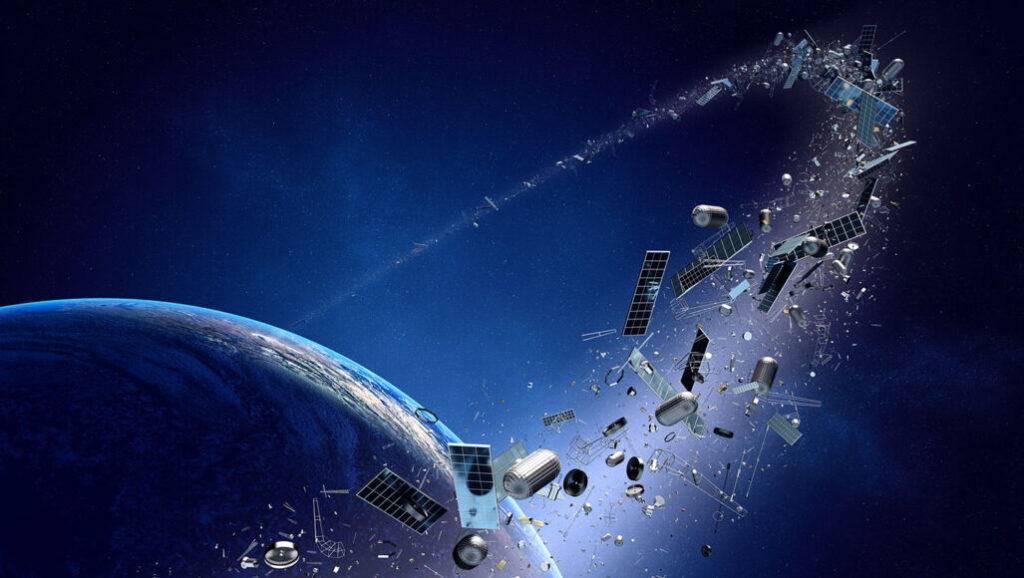
1440 Space Junk Cleanup Feat 1027x580 1024x578

Space trash could kill satellites, space stations — and astronauts

Seven astronauts aboard the International Space Station woke to unwelcome news on the morning of November 15, 2021. NASA, the U.S. space agency, was worried. The station was zooming directly into a suddenly dangerous area littered with trash. A collision could damage the spacecraft. And that could threaten the safety of everyone inside. NASA warned

Space trash could kill satellites, space stations — and astronauts Read More »

Mrk1216 Illus

Unbound and Out: Boosted by black holes, stars speed off, leaving clues behind

Space oddities may help reveal dark matter and other secrets in the Milky Way. Astronomer Warren Brown explains. In April, the European Space Agency released the second massive trove of data from Gaia, a spinning, scanning satellite that for nearly five years has been spying on a billion stars. Its goal is to produce a

Unbound and Out: Boosted by black holes, stars speed off, leaving clues behind Read More »

Are we alone?

  If aliens ever sent us a message, scientists hope to pick it up in a remote part of northern California.   There, in a clearing nestled amid the volcanoes of the Cascade Range, 42 radio dishes point together at the sky. The dishes, each 20 feet across, form a single, giant scientific instrument called

Are we alone? Read More »