math

0526 Ai Math Feat A 1024x576

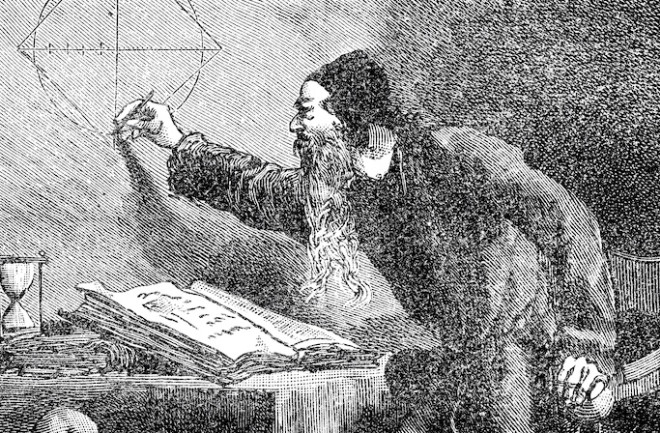
Math long resisted a digital disruption. AI is poised to change that

Modern formalization, supercharged by AI, could radically change the way people do mathematics Mathematician Kevin Buzzard of Imperial College London is training computers how to prove one of the most famous problems in math history: Fermat’s last theorem. Resolving the problem isn’t the point. There’s already an accepted proof that was finalized in 1998. That work

Math long resisted a digital disruption. AI is poised to change that Read More »
Mandelbug 1024x577

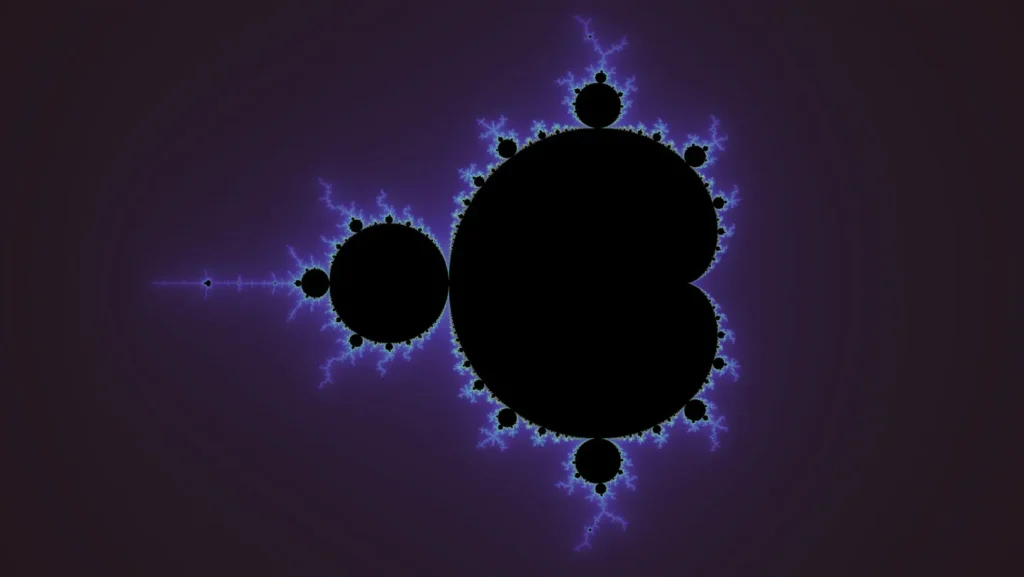
See how fractals forever changed math and science

Fifty years ago, “fractal” was born. In a 1975 book, the Polish-French-American mathematician Benoit B. Mandelbrot coined the term to describe a family of rough, fragmented shapes that fall outside the boundaries of conventional geometry. Mathematicians had been describing these types of shapes since the late 19th century. But by giving them a name — derived from fractus,

See how fractals forever changed math and science Read More »

Cake Image 1024x576

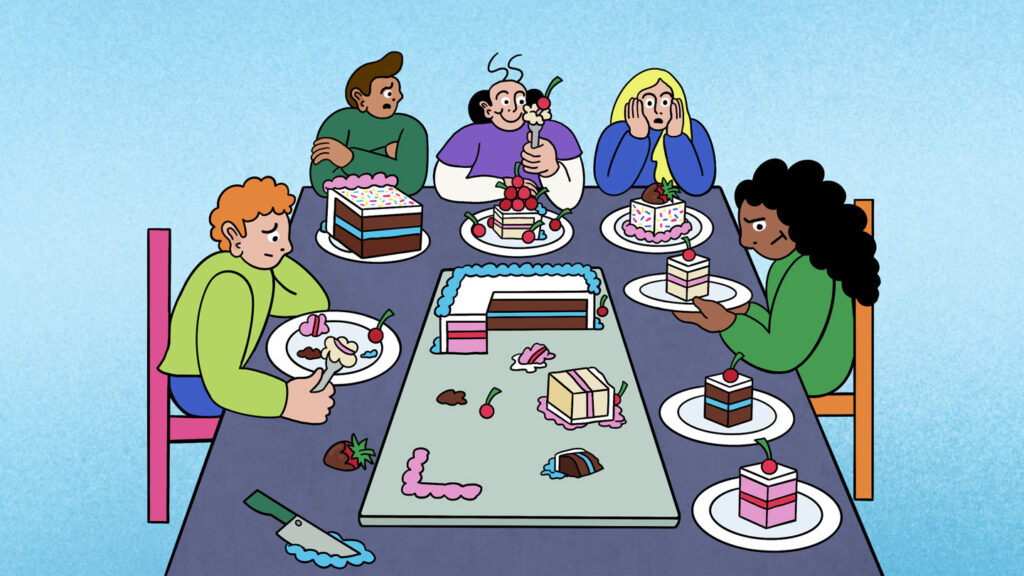
Here’s why mathematicians are so interested in cake cutting

Ariel Procaccia has thought a lot about how to cut cake over the last 15 years. That’s partly because the Harvard computer scientist has three children who among them have celebrated more than two dozen birthdays. He knows what it’s like to stand with a knife before a layered masterpiece, frosted with buttercream and chocolate

Here’s why mathematicians are so interested in cake cutting Read More »

NETWORK 1024x571

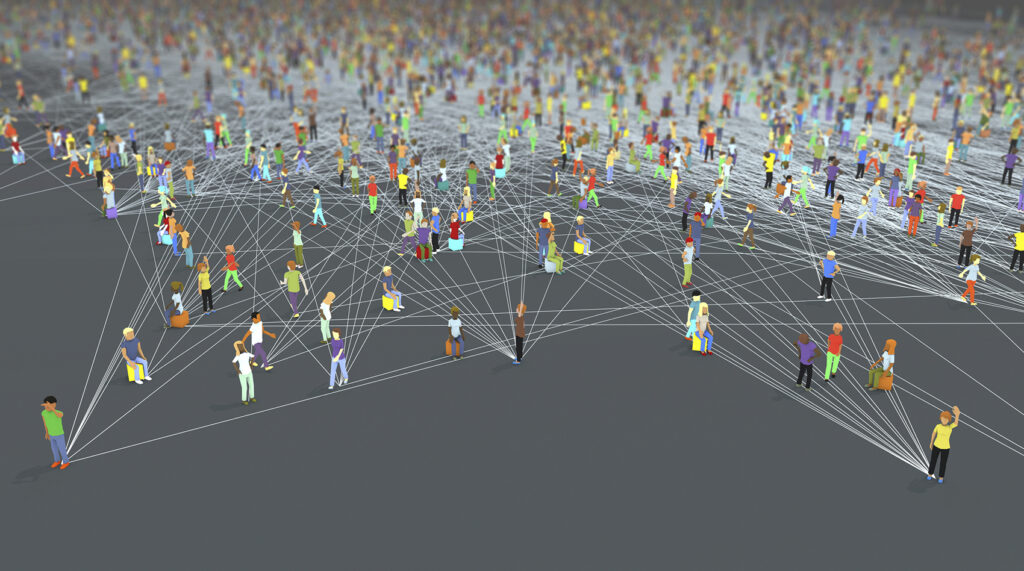
Game theory approach describes how social networks produce “six degrees of separation”

“Six degrees of separation” refers to a long-held notion about social networks—namely, that any two people in a social network are connected to each other, through friends of friends, by a maximum of five individuals. But there’s more to this notion than folk wisdom: Researchers have found, repeatedly (for example, via studies of Twitter), that the maximum

Game theory approach describes how social networks produce “six degrees of separation” Read More »

Cipher

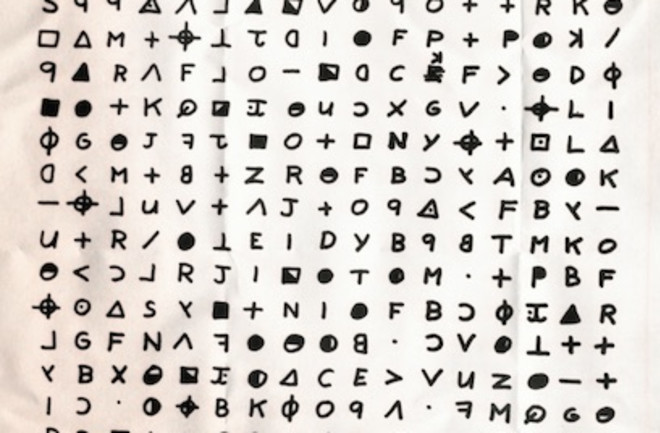
How Mathematicians Cracked the Zodiac Killer’s Cipher

In the late 1960s, a serial killer self-identifying as “the Zodiac” killed at least five people in Northern California and claimed to have murdered more. In November 1969, the Zodiac Killer sent a card to the San Francisco Chronicle containing a 340-character secret message that for more than 50 years went unsolved by detectives, cryptography experts, amateur

How Mathematicians Cracked the Zodiac Killer’s Cipher Read More »

Unnamed 1

Your Hyperbolic Mind

The human brain is both a marvel and a mystery of evolution: Packed into a volume about one-quarter that of an inflated soccer ball, somewhere around 86 billion neurons form networks that enable us to do everything from mindlessly scrolling through Instagram to safely sending people into space. But a deeper understanding of the structure of those

Your Hyperbolic Mind Read More »